Tough Guys Wear Pink: A Graphic Design Case Study in Symbolism and Strength
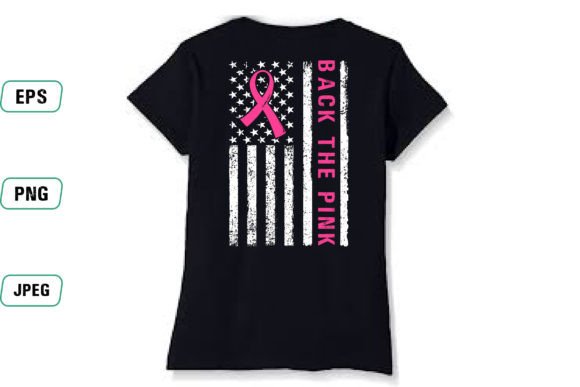
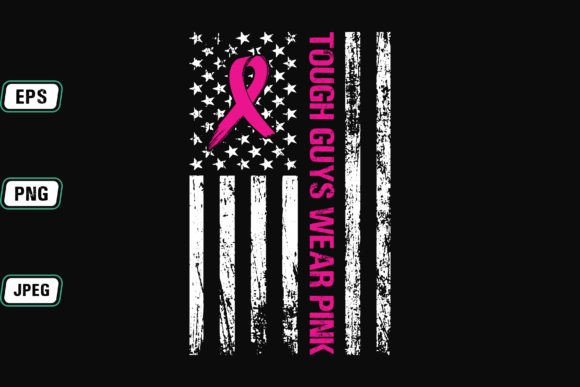
The most powerful designs often emerge from the collision of contrasting ideas. The "Tough Guys Wear Pink" concept, frequently executed as a compelling T-shirt design, masterfully blends masculine resilience with the universal symbol of breast cancer awareness: the pink ribbon. For graphic designers, this isn't just apparel; it's a case study in creating visual narratives that challenge perceptions, rally communities, and drive meaningful action. By integrating the iconic pink ribbon with bold typography and national symbols like the American flag, this design framework transforms a simple garment into a wearable statement of solidarity, hope, and unwavering support for patients, survivors, and the ongoing fight against the disease.
Visual Communication That Breaks the Mold
At its core, the Tough Guys Wear Pink design is a masterclass in visual hierarchy and symbolic fusion. It immediately communicates a dual message: support for a critical health cause and a redefinition of strength. This approach is invaluable for designers crafting campaigns for healthcare, non-profits, or social movements. The design leverages established visual language—the pink ribbon for breast cancer awareness, the American flag for unity and patriotism—while introducing a provocative twist through its headline. This creates instant intrigue and emotional resonance, key components of effective branding and digital marketing. The typography itself is a critical asset; a bold, sans-serif font conveys modern strength, ensuring the message is clear across merchandise, social media graphics, and web design elements.
Practical Applications Across Design Disciplines
The versatility of this design language extends far beyond a single T-shirt. Its principles can be adapted to elevate a wide array of creative projects and professional presentations.
- Branding & Identity: Non-profits and advocacy groups can use this contrasting aesthetic to build a brand identity that feels both compassionate and powerful, helping them stand out in crowded awareness months like October.
- Marketing & Advertising: Campaign materials, from posters to digital ads, gain an emotional edge. The design works as a cohesive visual anchor for fundraising initiatives, hospital outreach programs, and corporate social responsibility campaigns.
- Digital & UI Design: The color palette (pinks, whites, blues, and reds) and bold motifs can inform website layouts, app interfaces for health communities, and social media content calendars, ensuring consistency and high engagement.
- Packaging & Merchandise: Applying this design philosophy to product packaging or branded merchandise can create tangible connections with an audience, turning everyday items into conversation starters for a vital cause.
Tips for Implementing Symbolic Design Elements
When integrating powerful symbols like the pink ribbon or national flags into your work, thoughtful execution is paramount. First, prioritize readability and scalability. A design must be legible on a small social media icon as well as a large banner. Second, maintain a balanced color palette to avoid visual chaos; let the pink ribbon pop against a neutral or complementary background. Third, consider the composition and visual flow. The eye should naturally move from the provocative headline to the supportive symbols, creating a coherent story. Finally, always design with your audience's expectations and the campaign's goals in mind. A healthcare-focused design requires a tone of hope and medical credibility, while a corporate partnership might lean into unity and professional presentation.
Ultimately, the enduring appeal of the Tough Guys Wear Pink concept lies in its ability to communicate complex, layered messages with immediate visual impact. It reminds us that great graphic design does more than look good—it feels meaningful. By thoughtfully selecting and combining creative assets, designers can craft work that not only captures attention but also fosters community, drives change, and delivers a powerful dose of inspiration and hope. In the fight against illness, such visual symbols become more than art; they become tools of motivation and unity for patients, survivors, and supporters everywhere.